Before You Open the Book: The Ten-Minute Opening Ritual That Changes How You Study
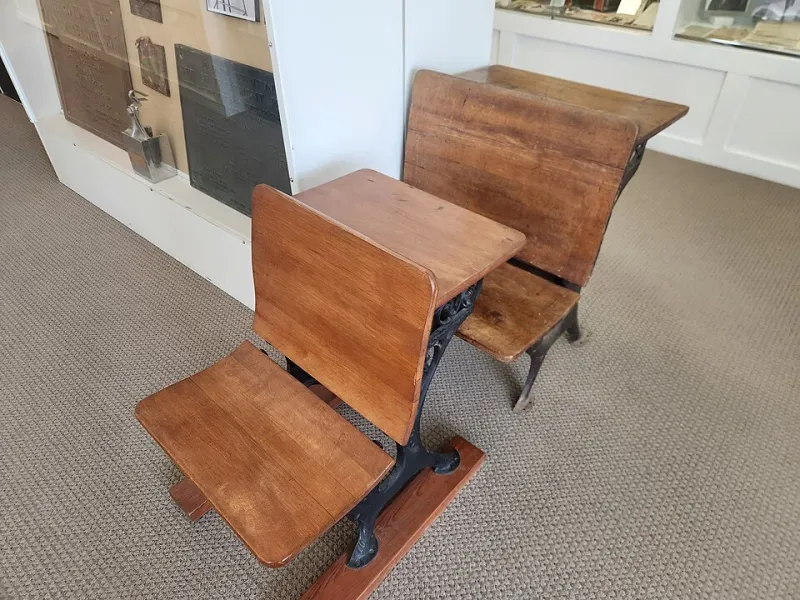
Photo: Bpluke01, CC BY-SA 4.0, via Wikimedia Commons
Ask a room full of students how their study sessions typically begin, and the honest answers are rarely flattering: a slow scroll through notifications, a half-hearted re-reading of yesterday's notes, a long negotiation with oneself about whether tonight is really the night to start. The first ten minutes of a study session are often the messiest — and the most consequential.
At Sổ Tay Học Phật, we have long been interested in the quiet space before effort begins. Contemplative traditions understand something that productivity culture tends to overlook: how you enter an activity shapes everything that follows. The good news is that you do not need an hour of meditation or an elaborate morning routine. You need roughly ten minutes and a willingness to treat the start of studying as its own practice.
Why Beginnings Deserve Their Own Ritual
Attention researchers describe a phenomenon sometimes called the "warm-up penalty": the cognitive cost of shifting from one mode of mind into another. When you sit down to study straight from a group chat or a video feed, your brain is still processing the previous task. Those first minutes of studying — often the material that matters most — get absorbed into that residue.
A deliberate opening ritual does two things. First, it acts as a buffer, allowing residual mental noise to settle. Second, it sends a signal to the brain that a different kind of activity is beginning. Over time, the ritual itself becomes a conditioned cue: the moment you light the incense, so to speak, the mind starts to gather.
There is also a motivational dimension. Procrastination researchers at institutions like Carleton University have found that the aversion we feel toward a task is usually strongest before we begin it. A gentle, structured entry point lowers the activation threshold. You are not committing to three hours of calculus; you are committing to ten minutes of settling in. By the time the ritual ends, the harder decision has already been made.
The Ritual, Step by Step
Here is a complete opening sequence you can try this evening. It takes about ten minutes, and every step can be shortened if you are pressed for time.
1. The two-minute pause (minutes 0–2). Put your phone face down, out of arm's reach — ideally in another room. Sit comfortably. Close your eyes if it feels natural, and simply follow ten slow breaths. You are not trying to empty your mind; you are just noticing that you have arrived. This is the smallest possible version of the Vietnamese practice of chánh niệm, or mindfulness: being where you are before you begin what you will do.
2. Clear the desk, clear the field (minutes 2–4). Spend two minutes physically resetting your workspace. Remove anything unrelated to tonight's session. This is not aesthetic perfectionism — research on the physical environment and cognition suggests that visible clutter competes for attention. You are deciding, concretely, what deserves your focus.
3. Write one sentence of purpose (minutes 4–6). On a sticky note or the top of your notebook, complete this sentence: "Today I am studying this because..." Be specific and honest. "Because the midterm is Friday" is acceptable, but "Because understanding how neurons communicate is the foundation for everything in this course" is better. This single sentence converts studying from an obligation into a chosen act — a shift psychologists associate with stronger persistence.
4. Name the one thing (minutes 6–8). Write down the single most important outcome for this session. Not a list — one thing. "Work through problems 1–6 until I can do #4 without the example." A session with one clear target is measurably easier to start and easier to evaluate afterward than a session with a vague goal of "getting through the chapter."
5. Set the container (minutes 8–10). Decide now how long the session will run and when you will stop. Set a timer if it helps. Then take one last slow breath and open the book.
Making It Stick
The first few days will feel slightly artificial, the way any new practice does. That is normal. Rituals earn their power through repetition, not through how they feel the first time. Within a week or two, many students report that the opening pause becomes the part of studying they look forward to — a rare moment of stillness in an otherwise loud day.
A few practical notes. If two minutes of breathing feels like too much, start with five breaths. If you study in a library or a coffee shop, the ritual adapts fine: the pause and the purpose sentence work anywhere; the desk-clearing simply becomes a mental act of closing unrelated tabs, literal and figurative.
And if you miss a day, begin again without ceremony. A ritual that demands perfection is just another way of setting yourself up to quit.
The Larger Point
There is a quiet philosophy underneath this practice. In Vietnamese, the word tâm — heart, mind, disposition — reminds us that the quality of our attention is a reflection of our inner state, and that inner states can be cultivated deliberately. Studying with a settled beginning is a small act of respect: for the material, for the teacher who prepared it, and for your own future self, who will sit for the exam or apply the knowledge later.
Ten minutes is not much. But done consistently, it changes the texture of hundreds of hours of learning. Begin small, begin honestly, and begin on purpose.